publications
publications by categories in reversed chronological order. generated by jekyll-scholar.
2026
- IEA/AIE
 Transformer-Based Classification of Illicit Darknet Marketplace Products: A Comparative NLP Study of Machine LearningQuang-Anh-Kiet Tran, Phat Tran, Tan-Nguyen Ngo, and 4 more authorsIn Advances and Trends in Artificial Intelligence. Theory and Applications, 2026
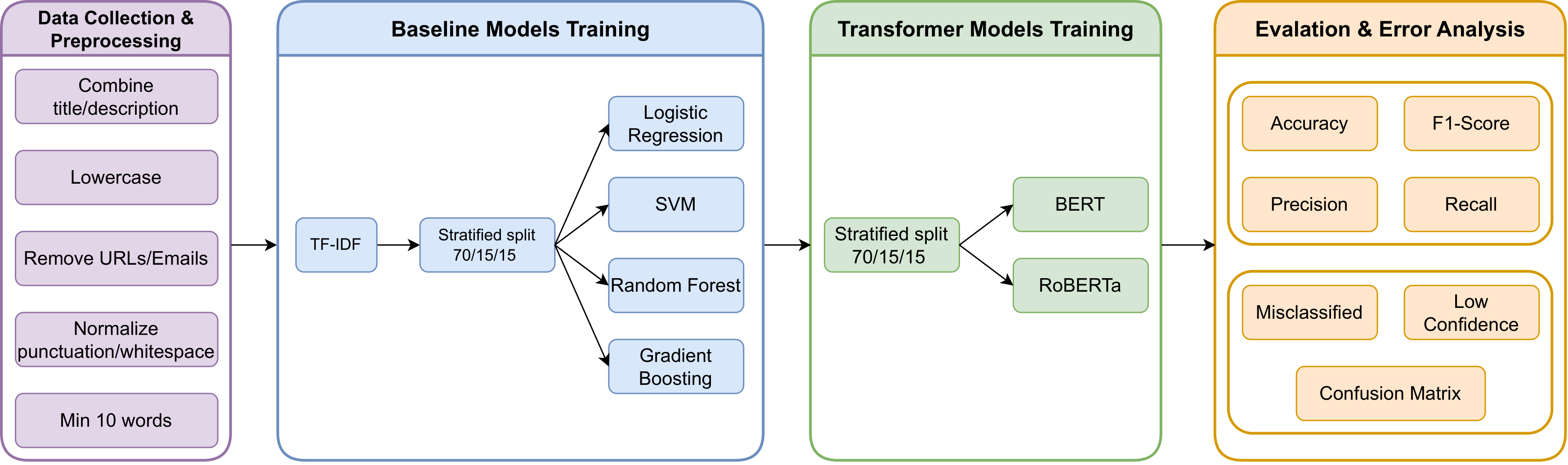
Darknet marketplaces generate a massive volume of product listings, making manual tracking and classification very difficult, thus creating a need for automated methods to identify and group illicit transaction content. In this paper, we investigate the multi-class text classification problem for English product descriptions collected from the Nemesis marketplace, with five main groups: drugs, fraud, attacks/hacking, instructions, and other. We build a complete pipeline from raw JSON data to a cleaned and labeled dataset, then evaluate traditional classification models based on TF-IDF and compare them with fine-tuned Transformer models. Experimental results show that fine-tuned RoberTa achieves the best performance with an accuracy of 0.9055 and macro-F1 of 0.7400, outperforming both classic baselines and BERT. Furthermore, we analyze the confusion matrix and cases of false but highly reliable predictions to clarify the systemic causes of errors, especially in classes with few samples and classes with overlapping semantics. Finally, the paper proposes a modular system design to support reproducible model training, evaluation, and monitoring, suitable for real-world deployment scenarios.
@inproceedings{tran2026darknet, author = {Tran, Quang-Anh-Kiet and Tran, Phat and Ngo, Tan-Nguyen and Trinh, Manh-Hung and Tran, Huynh-Dai-Nhan and Nguyen, Tuan-Huy and Pham, Hoang-Anh}, title = {Transformer-Based Classification of Illicit Darknet Marketplace Products: A Comparative NLP Study of Machine Learning}, booktitle = {Advances and Trends in Artificial Intelligence. Theory and Applications}, year = {2026}, publisher = {Springer Nature Singapore}, address = {Singapore}, pages = {208--221}, isbn = {978-981-92-2885-0}, } - IEA/AIE
 Benchmarking Local XAI Against TreeSHAP for Explainable Diabetes PredictionQuang-Anh-Kiet Tran, Phat Tran, Manh-Hung Trinh, and 4 more authorsIn Advances and Trends in Artificial Intelligence. Theory and Applications, 2026
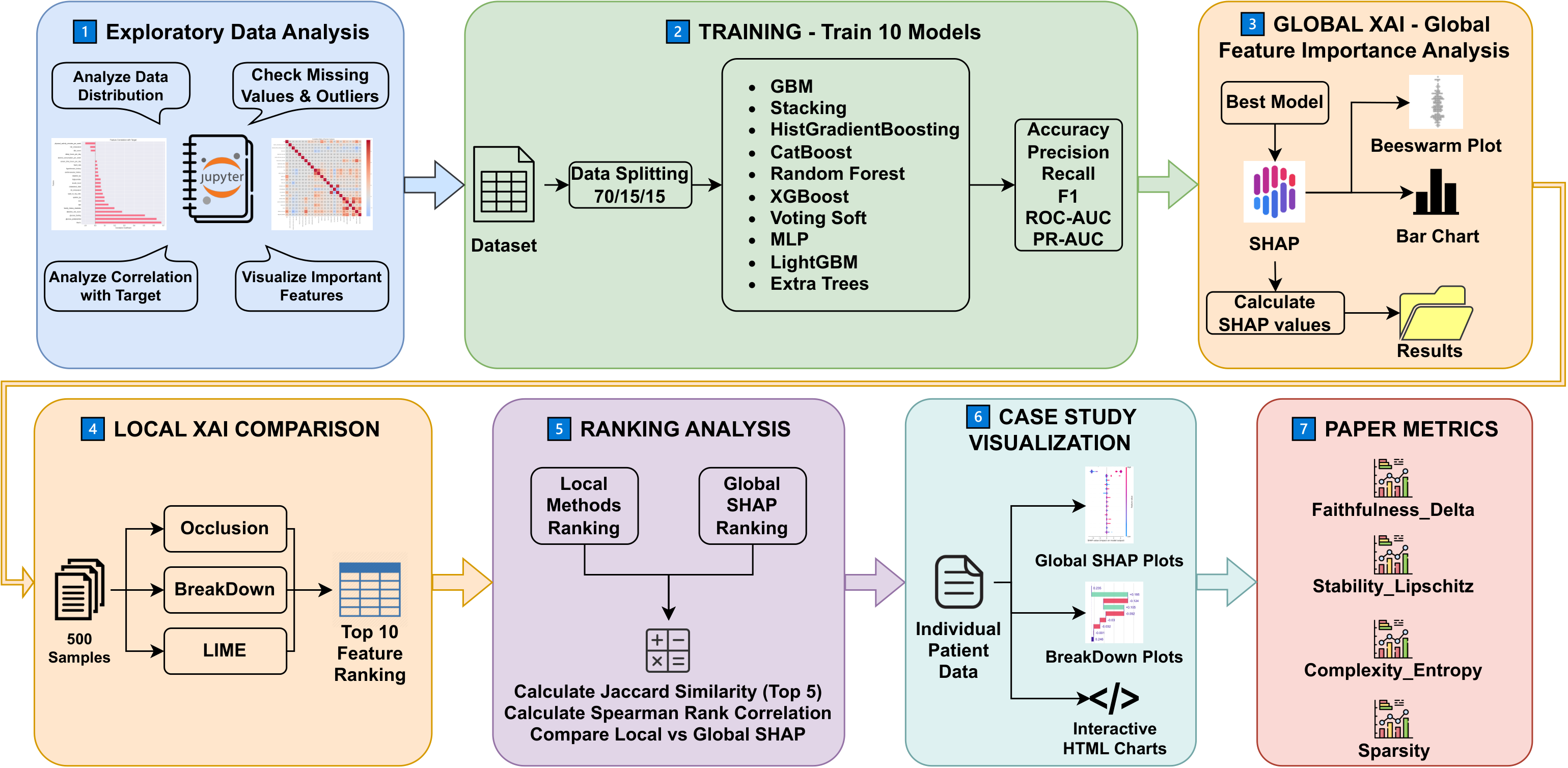
Accurate diabetes risk prediction models are increasingly adopted in clinical decision support. Yet, their practical value depends on how well model decisions can be explained at both global and patient-specific levels. This paper presents an end-to-end framework to compare global and local explainable AI (XAI) methods for tabular diabetes prediction. A diabetes health-indicators dataset (100,000 records with 35+ features) has been trained and evaluated by ten machine learning classifiers to select the best-performing model based on test-set metrics. Then, the global feature importance is computed using TreeSHAP on the entire test set, and three local explanation approaches are benchmarked: Feature Occlusion, BreakDown (DALEX), and LIME on a representative subsample. To determine agreement between global and local explanations, Top-K overlap and rank correlation are measured, and explanation quality is further assessed in terms of faithfulness, stability, complexity, and sparsity. Results show that clinically meaningful biomarkers, such as HbA1c and fasting glucose, consistently dominate both global and local explanations, while BreakDown and Occlusion achieve the highest alignment with global SHAP among local methods.
@inproceedings{tran2026benchmarking, author = {Tran, Quang-Anh-Kiet and Tran, Phat and Trinh, Manh-Hung and Nguyen, Tuan-Huy and Tran, Huynh-Dai-Nhan and Ngo, Tan-Nguyen and Pham, Hoang-Anh}, title = {Benchmarking Local XAI Against TreeSHAP for Explainable Diabetes Prediction}, booktitle = {Advances and Trends in Artificial Intelligence. Theory and Applications}, year = {2026}, publisher = {Springer Nature Singapore}, address = {Singapore}, pages = {42--55}, isbn = {978-981-92-2891-1}, } - arXiv
 PhysioSeq2Seq: A Hybrid Physiological Digital Twin and Sequence-to-Sequence LSTM for Long-Horizon Glucose Forecasting in Type 1 DiabetesPhat Tran, Neville Mehta, Clara Mosquera-Lopez, and 3 more authors2026
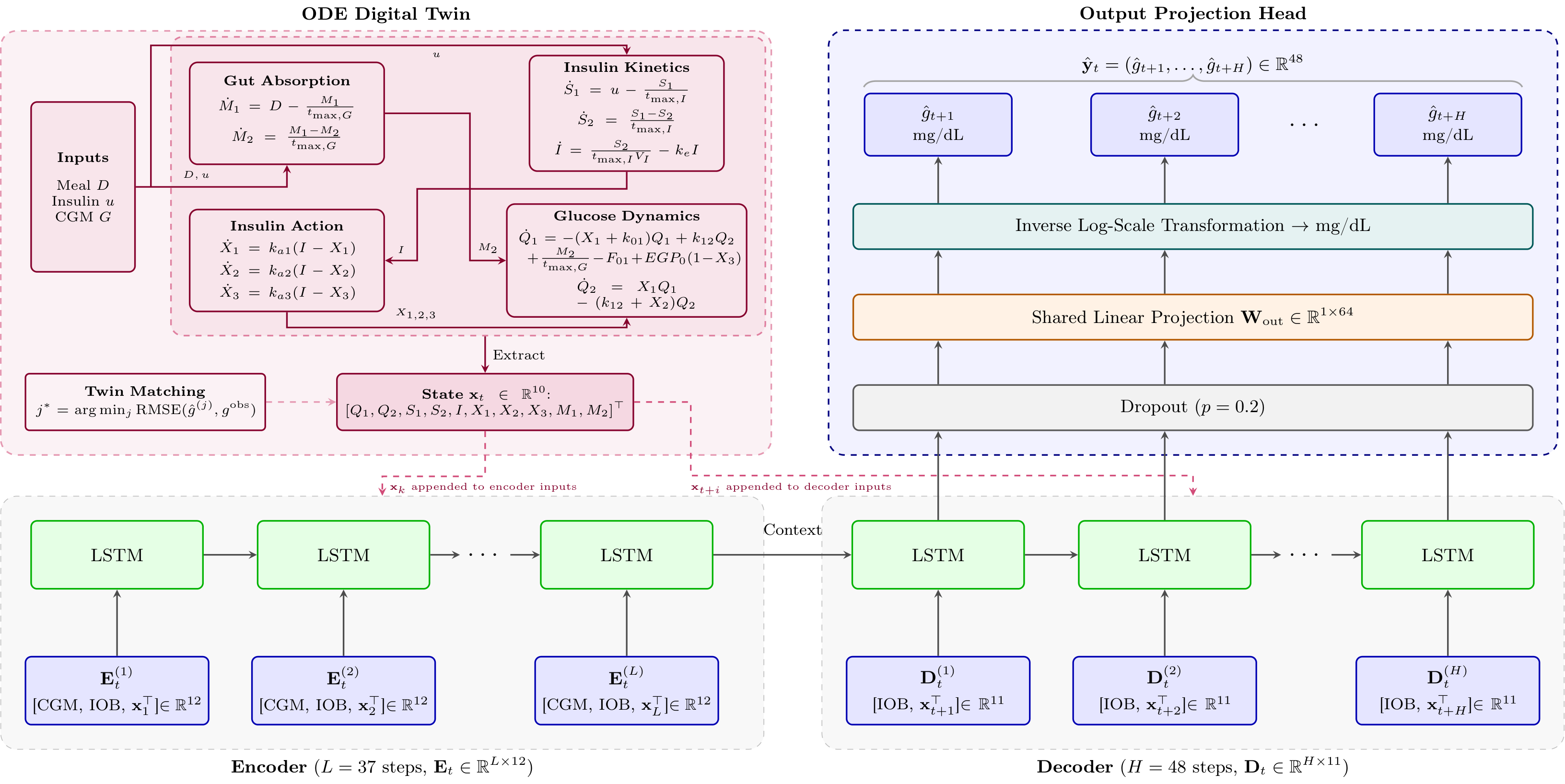
AAccurate long-horizon glucose forecasting is critical for automated insulin delivery systems, which help people with type 1 diabetes (T1D) manage their glucose and avoid dangerous hypoglycemia. However, standard recursive long short-term memory (LSTM) networks suffer from systematic negative bias at longer horizons due to error compounding, while purely mechanistic ordinary differential equation (ODE) models fail to generalize across individuals when parameterized at the population level. We propose PhysioSeq2Seq, a hybrid architecture that combines patient-specific physiological modeling with a sequence-to-sequence (Seq2Seq) LSTM. For each glucose segment, twin matching searches a population of 300 parameterized digital twins to identify the best-fitting physiological match from a 3-hour continuous glucose monitoring (CGM) history. The 10 internal ODE state variables of the matched twin are injected as exogenous covariates into both the encoder and decoder of the Seq2Seq LSTM. This simultaneous 48-step prediction strategy eliminates recursive error compounding, while the ODE features provide a physics-grounded constraint that bounds long-horizon drift within physiologically plausible ranges. PhysioSeq2Seq was trained on CGM and insulin data from 348 participants in the Type 1 Diabetes Exercise Initiative (T1DEXI) dataset and evaluated on 74 held-out participants. At the 240-minute horizon, PhysioSeq2Seq achieves a mean absolute error of 39.28 mg/dL and a mean error of -10.62 mg/dL, reducing bias by 13.89 mg/dL over the recursive LSTM and reducing mean absolute error by 28.62 mg/dL over the ODE-based digital twin. These results show that eliminating architectural feedback and injecting patient-matched physiological states is an effective and clinically meaningful strategy for long-horizon glucose forecasting in T1D.
@misc{tran2026physioseq2seqhybridphysiologicaldigital, title = {PhysioSeq2Seq: A Hybrid Physiological Digital Twin and Sequence-to-Sequence LSTM for Long-Horizon Glucose Forecasting in Type 1 Diabetes}, author = {Tran, Phat and Mehta, Neville and Mosquera-Lopez, Clara and Dodier, Robert H. and Chen, Lizhong and Jacobs, Peter G.}, year = {2026}, archiveprefix = {arXiv}, primaryclass = {cs.LG}, url = {https://arxiv.org/abs/2605.16860}, } - BKYST
 Low-Resource Heuristics for Bahnaric Optical Character Recognition ImprovementPhat Tran, Phuoc Pham, Hung Trinh, and 1 more authorIn Bach Khoa Youths Science and Technology Conference, 2026
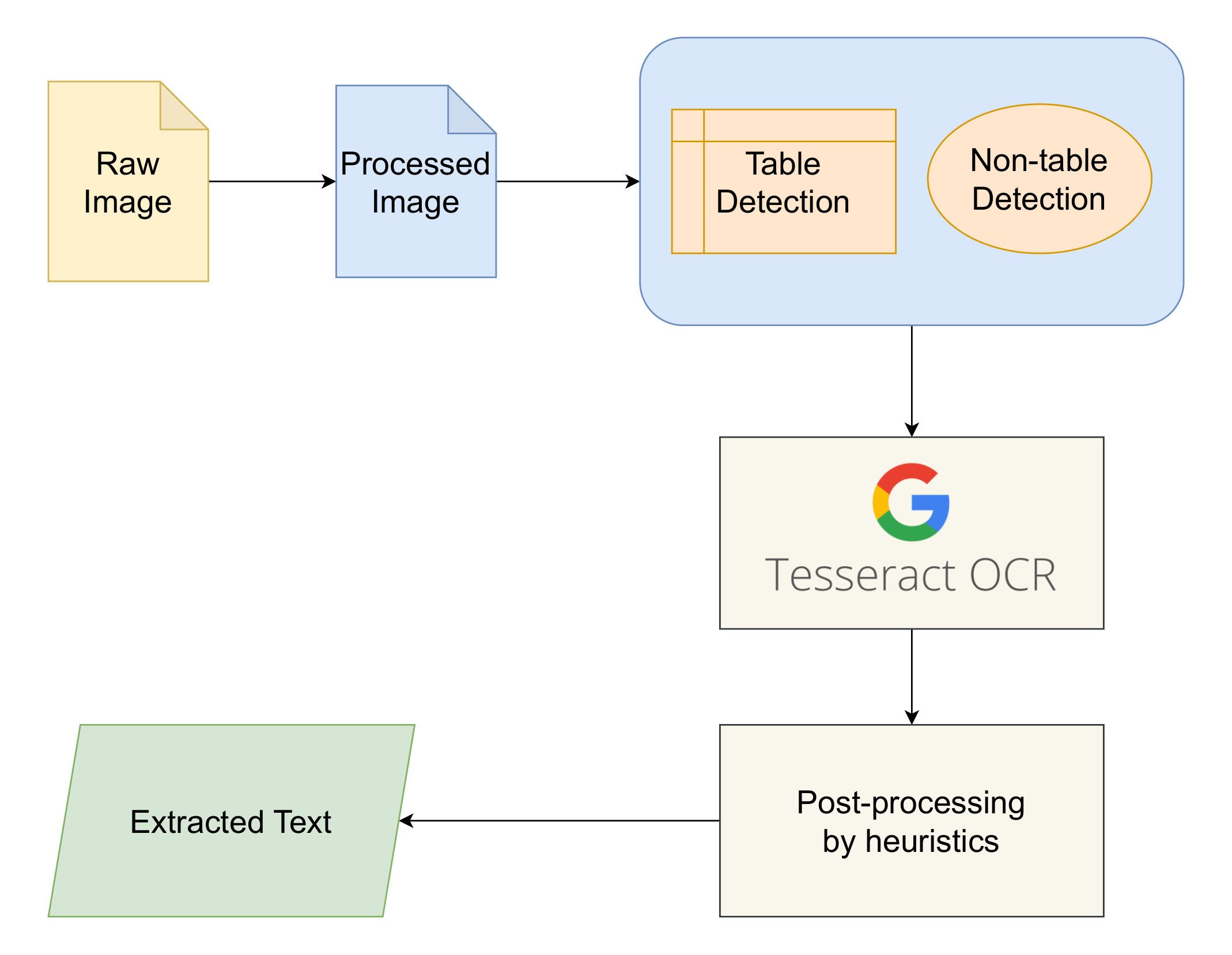
Bahnar, a minority language spoken across Vietnam, Cambodia, and Laos, faces significant preservation challenges due to limited research and data availability. This study addresses the critical need for accurate digitization of Bahnar language documents through optical character recognition (OCR) technology. Digitizing scanned paper documents poses significant challenges, as degraded image quality from broken or blurred areas introduces considerable OCR errors that compromise information retrieval systems. We propose a comprehensive approach combining advanced table and non-table detection techniques with probability-based post-processing heuristics to enhance recognition accuracy. Our method first applies detection algorithms to improve input data quality, then employs probabilistic error correction on OCR output. Experimental results indicate a substantial improvement, with recognition accuracy increasing from 72.86% to 79.26%. This work contributes valuable resources for Bahnar language preservation and provides a framework applicable to other minority language digitization efforts.
@inproceedings{tran2026lowresourceheuristicsbahnaricoptical, title = {Low-Resource Heuristics for Bahnaric Optical Character Recognition Improvement}, booktitle = {Bach Khoa Youths Science and Technology Conference}, author = {Tran, Phat and Pham, Phuoc and Trinh, Hung and Quan, Tho}, year = {2026}, archiveprefix = {arXiv}, primaryclass = {cs.CL}, url = {https://arxiv.org/abs/2601.02965}, } - arXiv
 Is Domain Adaptation Always Helpful? A Frozen-Backbone Study of Cross-Domain Sentiment TransferPhat Tran, Artin Lahni, Pranav Kulkarni, and 1 more author2026
Sentiment analysis with frozen pre-trained language model (PLM) backbones has become a common paradigm, yet the practical benefit of explicit domain adaptation remains unclear, particularly when backbones encode varying degrees of target-domain knowledge. We present a preliminary case study evaluating a controlled family of frozen embedding backbones (Qwen3-Embedding 0.6B, 4B, 8B), alongside RoBERTa-base and FinBERT. We train a lightweight MLP adapter on consumer reviews using Domain-Adversarial Neural Networks (DANN), Maximum Mean Discrepancy (MMD), and Supervised Contrastive Learning (SCL), and evaluate transfer to movie reviews (SST-2) and a heavily restricted subset of financial news (Financial PhraseBank). Within this constrained sample, we observe two distinct transfer patterns. On SST-2, domain adaptation provides negligible gain regardless of scale. On the financial subset, explicit domain adaptation appears to recover substantial performance for small general-purpose backbones. Notably, we find that adversarial alignment (DANN) is associated with degraded performance for domain-specialized backbones like FinBERT, consistent with erosion of pre-existing domain-specific structure, whereas supervised contrastive loss appears to preserve it. These preliminary findings suggest that the efficacy of explicit domain adaptation is highly contingent on whether the frozen backbone already possesses target-domain coverage.
@misc{tran2026domainadaptationhelpfulfrozenbackbone, title = {Is Domain Adaptation Always Helpful? A Frozen-Backbone Study of Cross-Domain Sentiment Transfer}, author = {Tran, Phat and Lahni, Artin and Kulkarni, Pranav and Zhang, Yaolun}, year = {2026}, archiveprefix = {arXiv}, primaryclass = {cs.CL}, url = {https://arxiv.org/abs/2607.05937}, } - arXiv
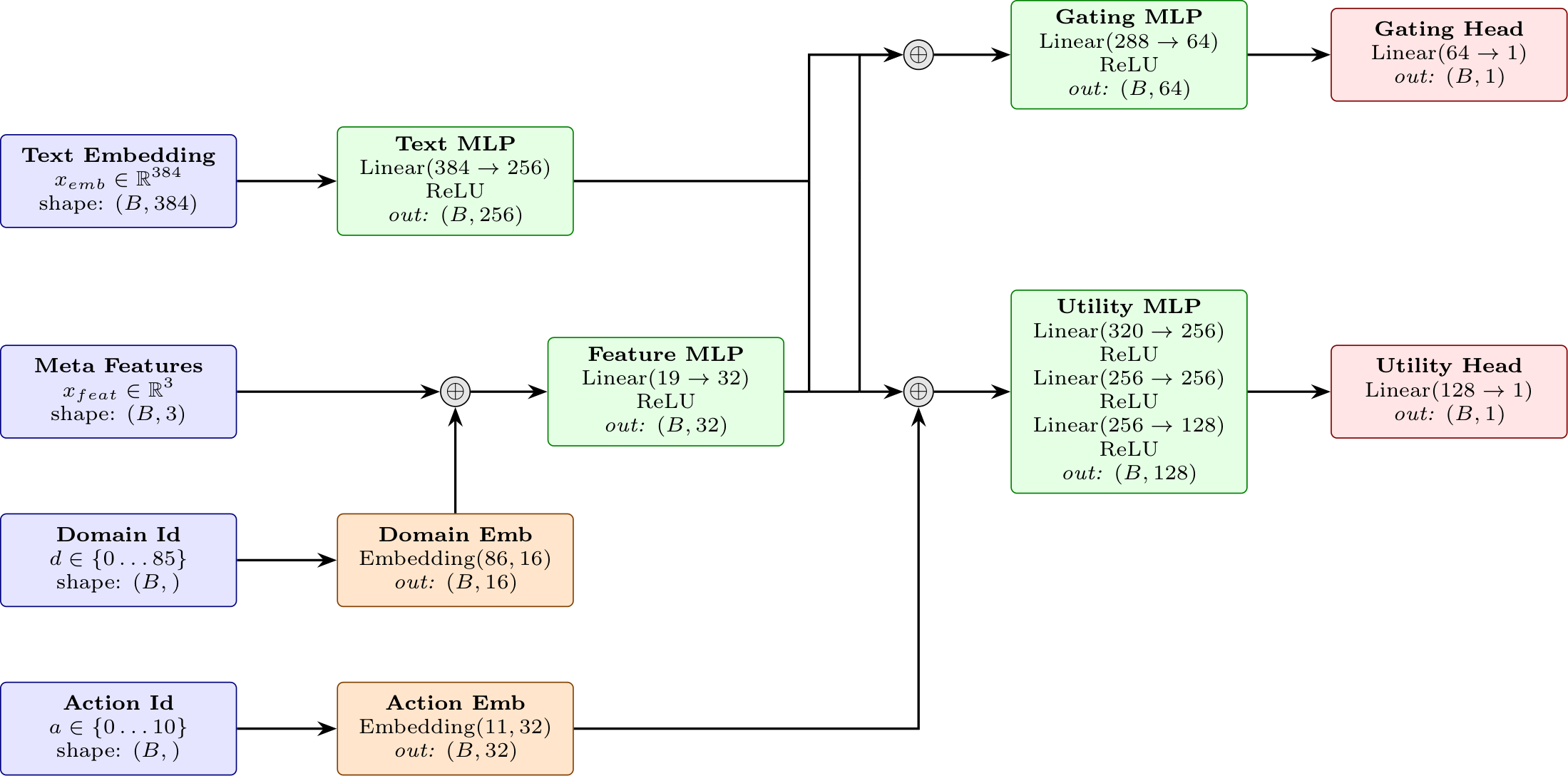 Reward-Based Online LLM Routing via NeuralUCBMing-Hua Tsai and Phat Tran2026
This study investigates the use of NeuralUCB for cost-aware large language model (LLM) routing. Existing routing approaches can be broadly grouped into supervised routing methods and partial-feedback methods, each with different tradeoffs in efficiency and adaptivity. We implement a NeuralUCB-based routing policy and evaluate it on RouterBench under a simulated online setting. Experimental results show that the proposed method consistently outperforms random and min-cost baselines in utility reward. Compared with the max-quality reference, our method achieves substantially lower inference cost while maintaining competitive reward. These findings suggest that NeuralUCB is a promising approach for cost-aware LLM routing, while also highlighting remaining challenges in action discrimination and exploration.
@misc{tsai2026rewardbasedonlinellmrouting,
  title = {Reward-Based Online LLM Routing via NeuralUCB},
  author = {Tsai, Ming-Hua and Tran, Phat},
  year = {2026},
  archiveprefix = {arXiv},
  primaryclass = {cs.LG},
  url = {https://arxiv.org/abs/2603.30035},
}
2025
- THESIS
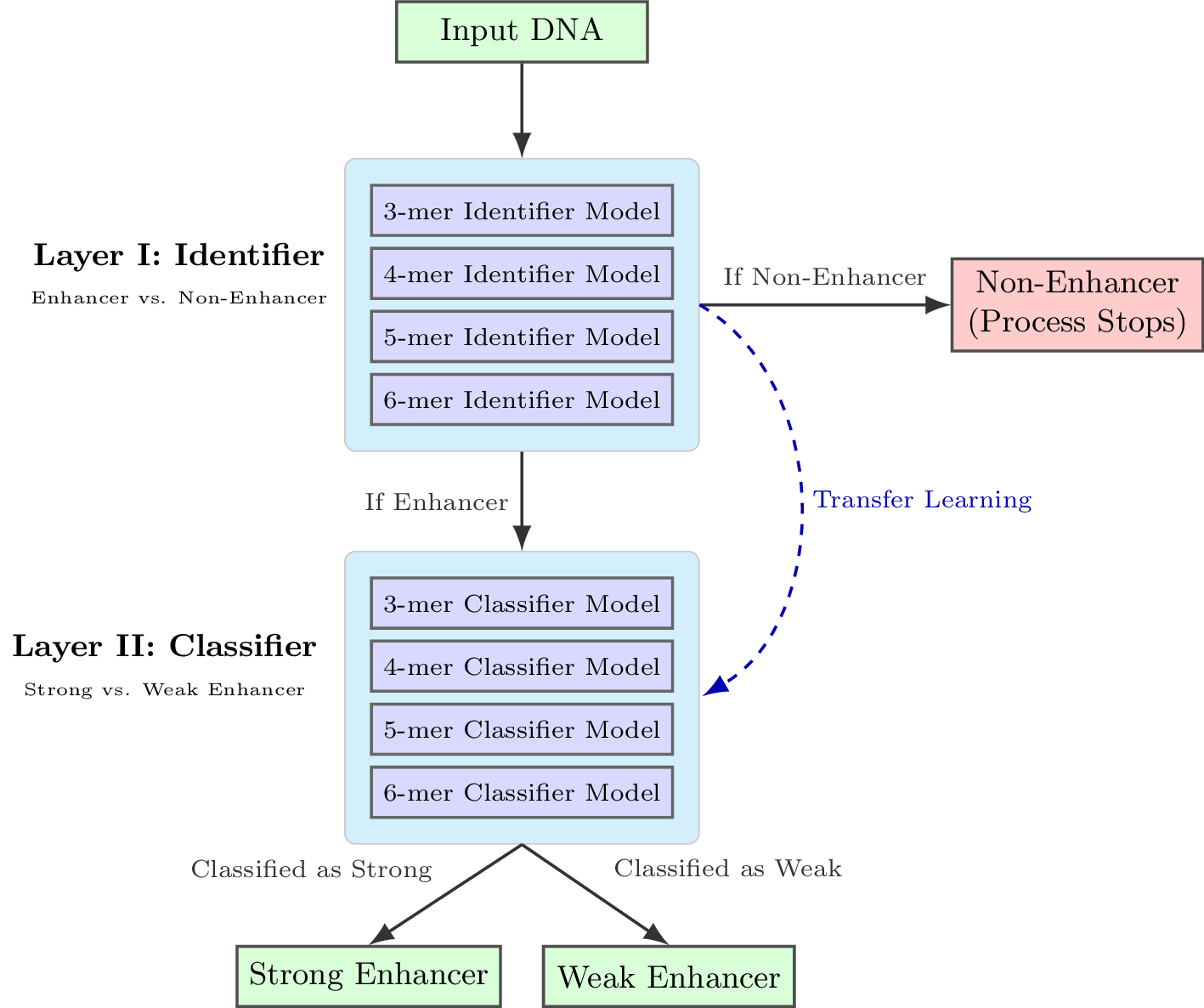 StackBERT-Enhancer: A Dual-Layer BERT-Based Framework for Enhancer Identification and Strength Classification in Genomic DataPhat TranUniversity of Washington, 2025
CSS Graduate Studies Best Thesis Award
Presented in recognition of the most outstanding master’s thesis in Computing and Software Systems, demonstrating exceptional research quality, innovation, and academic contribution.Accurately identifying and classifying crucial regulatory DNA sequences known as enhancers is a significant challenge, as traditional computational methods often struggle with their complex, context-dependent nature and lack interpretability. This thesis introduces StackBERT-Enhancer, a novel deep learning framework to address these limitations, focusing on two primary tasks: distinguishing enhancer sequences from non-enhancer sequences and classifying identified enhancers by their activity levels. The proposed framework employs multiple transformer-based language models, each independently trained on DNA sequences tokenized with different k-mer sizes, allowing for the capture of sequence dependencies across various scales. These individual models are then integrated into a stacking ensemble architecture, which significantly boosts classification accuracy, robustness, and generalization, achieving state-of-the-art results of 83.5% in enhancer identification and 99.0% in enhancer strength classification. The framework utilizes distributed multi-GPU systems for efficient model training and incorporates interpretability techniques such as SHapley Additive exPlanations (SHAP) for feature importance and attention score analysis for sequence motif discovery, bridging predictive power with biological insight. This advanced approach offers a robust and interpretable tool for enhancer analysis, holding strong potential for applications in disease modeling and broader biomedical research.
@mastersthesis{Tran2025, author = {Tran, Phat}, title = {StackBERT-Enhancer: A Dual-Layer BERT-Based Framework for Enhancer Identification and Strength Classification in Genomic Data}, school = {University of Washington}, year = {2025}, url = {https://digital.lib.washington.edu/researchworks/items/b1b7acdc-2e9f-4313-9fae-49d516830f75}, } - arXiv
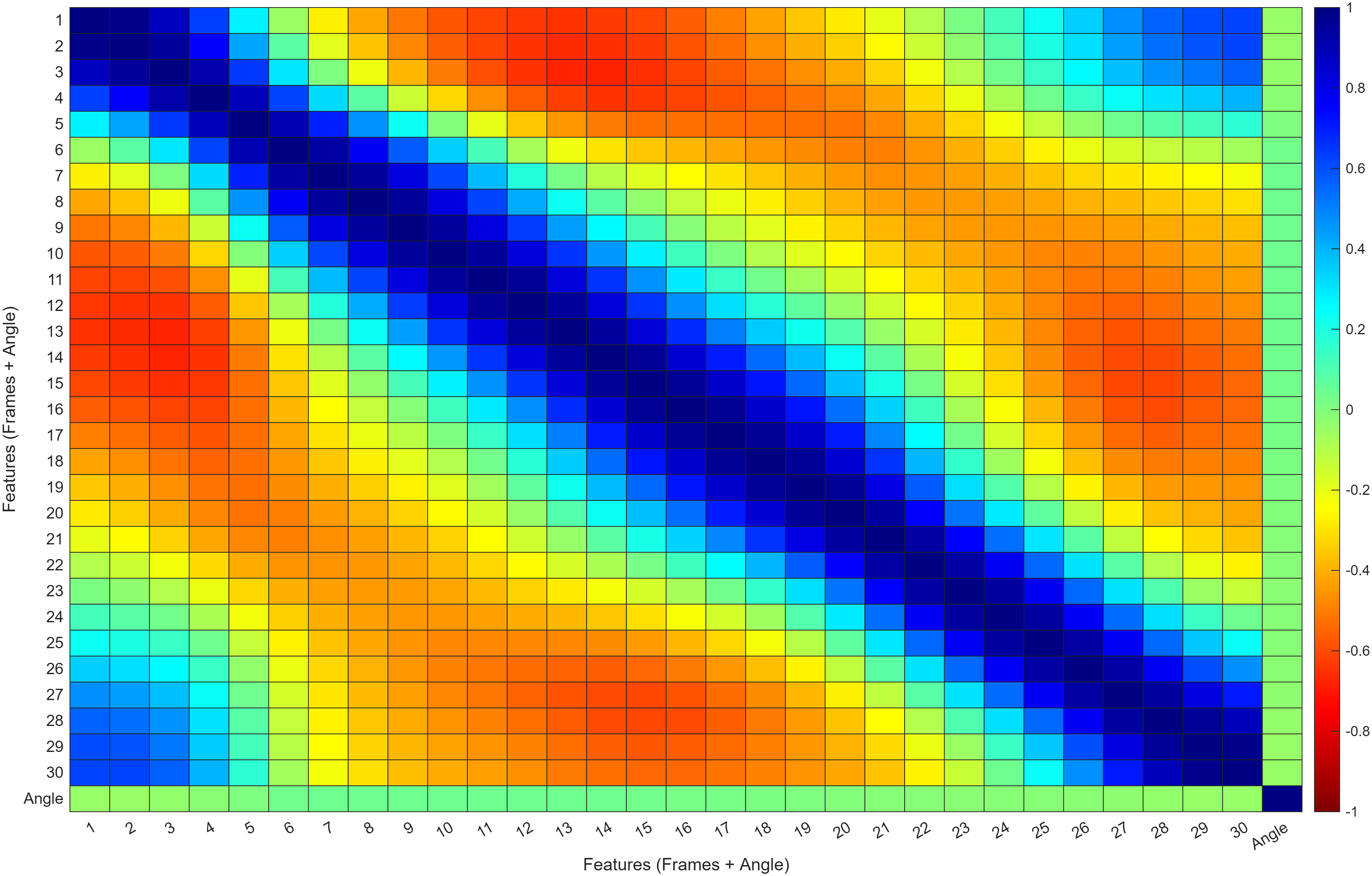 Lightweight Classifier for Detecting Intracranial Hemorrhage in Ultrasound DataPhat Tran, Enbai Kuang, and Fred Xu2025
Intracranial hemorrhage (ICH) secondary to Traumatic Brain Injury (TBI) represents a critical diagnostic challenge, with approximately 64,000 TBI-related deaths annually in the United States requiring rapid hemorrhage detection. Current diagnostic modalities including Computed Tomography (CT) and Magnetic Resonance Imaging (MRI) suffer from limitations including high cost, limited availability, and infrastructure dependence, particularly in resource-constrained environments. This study investigates machine learning approaches for automated ICH detection using Ultrasound Tissue Pulsatility Imaging (TPI), a portable diagnostic technique measuring tissue displacement induced by hemodynamic forces during cardiac cycles. We analyze ultrasound TPI signals comprising 30 temporal frames per cardiac cycle augmented with recording angle information, collected from TBI patients in clinical trials with CT-confirmed ground truth labels for ICH presence. Our preprocessing pipeline employs z-score normalization followed by Principal Component Analysis (PCA) for dimensionality reduction, retaining components explaining 95% of cumulative variance. We systematically evaluate multiple classification algorithms spanning probabilistic, kernel-based, neural network, and ensemble learning approaches across three feature representations: original 31-dimensional space, reduced feature subset, and PCA-transformed space. Results demonstrate that PCA transformation substantially improves classifier performance, with ensemble methods achieving up to 98.0% accuracy and F\(_1\)-score of 0.890, effectively balancing precision and recall despite significant class imbalance. These findings establish the feasibility of machine learning-based ICH detection in TBI patients using portable ultrasound devices, with potential applications in emergency medicine, rural healthcare, and military settings where traditional imaging modalities are unavailable.
@misc{tran2025lightweightclassifierdetectingintracranial,
  title = {Lightweight Classifier for Detecting Intracranial Hemorrhage in Ultrasound Data},
  author = {Tran, Phat and Kuang, Enbai and Xu, Fred},
  year = {2025},
  archiveprefix = {arXiv},
  primaryclass = {eess.IV},
  url = {https://arxiv.org/abs/2510.20857},
}
2024
- ISDS
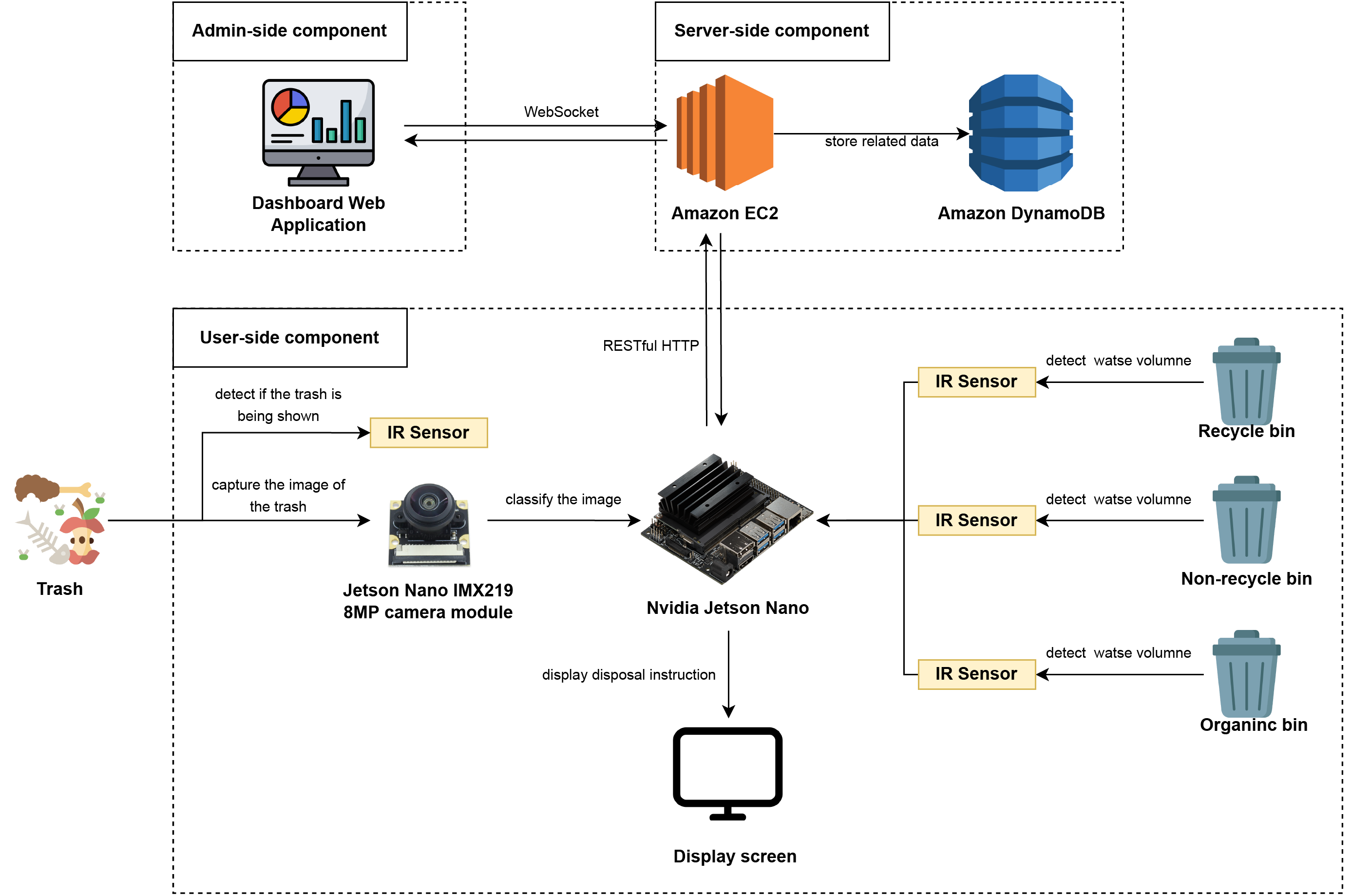 An AIoT Device for Raising Awareness About Trash Classification at SourceNgoc-Sang Vo, Phat Tran, Ngoc-Thanh-Xuan Nguyen, and 4 more authorsIn Intelligent Systems and Data Science, 2024
Waste segregation is a critical issue for environmental protection and sustainable growth. In Vietnam, public awareness and action on waste separation at source remain limited, highlighting the importance of engaging individuals, particularly students, in transforming waste disposal practices. Modern technologies, including the Internet of Things (IoT) and Artificial Intelligence (AI), have revolutionized various aspects of our lives and offer promising solutions to raise public awareness on this issue. This paper proposes an IoT device named BEG (BACHKHOA Eco-friendly Guide) integrating AI-based Computer Vision technology to classify waste via a camera. Unlike existing smart trash cans, which classify and dispose of the trash automatically, our device provides information about the waste type to guide users on proper disposal, thus reinforcing awareness of garbage classification at source. We also introduce the BEGNet, a Convolutional Neural Network (CNN) employing RegNetY120 as its backbone, which demonstrates superior performance in accuracy compared to other approaches on both the Trashnet dataset and our custom dataset - BKTrashImage. The proposed BEG device will improve knowledge about waste segregation, reduce improperly disposed waste, and foster a thriving circular economy.
@inproceedings{Vo2024,
  author = {Vo, Ngoc-Sang and Tran, Phat and Nguyen, Ngoc-Thanh-Xuan and Le, Gia-Phat and Nguyen, Lam-Tam-Nhu and Khang, Ho Tri and Pham, Hoang-Anh},
  title = {{An AIoT Device for Raising Awareness About Trash Classification at Source}},
  booktitle = {Intelligent Systems and Data Science},
  year = {2024},
  publisher = {Springer Nature Singapore},
  address = {Singapore},
  pages = {78--90},
  isbn = {978-981-99-7666-9},
}